

The first UK trade mark: The story of Bass & Co
As UK trade marks celebrate 150 years, the story of Bass reveals how a single registration transformed branding, protection, and commercial rivalry forever.
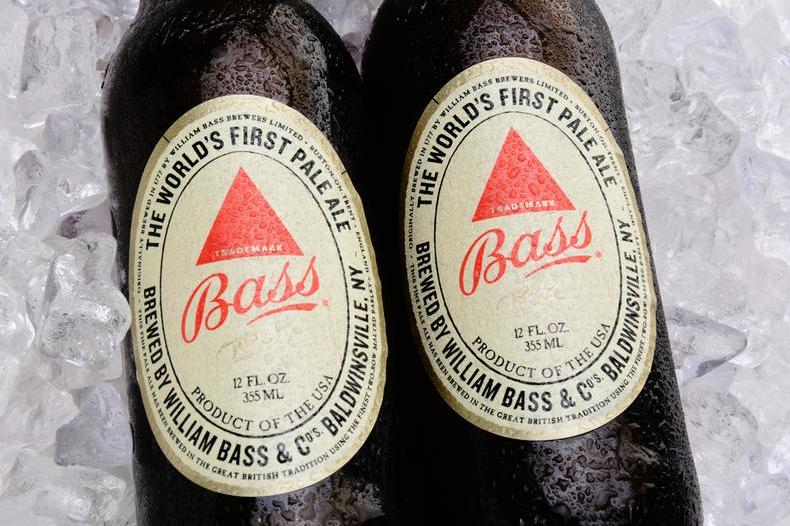
At midnight on New Year’s Eve 150 years ago, an employee of Bass Brewery was reportedly queuing on Fleet Street in London. They were not out enjoying a typical New Year in the way we might know today but instead they were tasked with a very important job – to get the Bass trade marks registered when the Trade Marks Registration Act 1875 came into force on 1st January 1876.
As a result, Bass secured its place in UK trade history – the first UK trade mark registration (and second and third).
The journey to Bass & Co securing trade mark protection
Bass Brewery was founded in 1777 by William Bass in Burton-Upon-Trent. At one point in time, it was the largest brewery in the world, with its main brand, Bass Pale Ale, the highest selling beer in the UK.
But why was Bass so keen to secure registration – and the coveted number one spot - all those years ago?
It is said that before the Trade Marks Registration Act 1875, Bass was facing a significant issue with competitors imitating its labels and marks for beer, which was not genuine, a problem that still faces brand owners today.
While there were various legal routes for them to challenge this use at the time, including through the early iterations akin to what we now know as the law of passing off, the fact that Bass felt it vital to register its trade marks, shows the value of a trade mark registration even 150 years ago.
The Registration Act meant companies no longer had to go through time consuming tasks to prove they owned a trade mark – the registration was proof of ownership. It was the starting point of the reference to trade marks providing owners with “exclusive rights” to use their mark and, most importantly, the right to stop competitors and other third parties from using it. The purpose of trade mark registration remains the same to this day.
Despite Bass’ brewing business changing ownership on a number of occasions, the red triangle emblem is still instantly recognisable and, importantly, the trade mark registration still remains in force and the mark in use all these years later.
What other brands followed Bass’ lead?

Many other brands, which remain iconic and well recognised today, followed Bass’ lead and secured UK registrations very early on.
- Wedgwood, a British fine china, porcelain and luxury accessories manufacturer established in 1759, secured registration of its word mark in February 1876.
- Twinings, a British company which specialises in the sale of tea and related products established in 1706, secured registration for its “Twinings” Logo in May 1908.
- Guinness, an Irish brewery which originated in 1759, secured registration for its iconic Harp Logo in April 1876 and its house word mark in March 1889.
- Coca Cola, a British drinks manufacturer, secured registration for its logo mark, which is still in use today, in July 1922.
These trade marks all remain in use today, 100 – 150 years on.
Unlike other IP rights, providing that you renew your registration every 10 years, a trade mark has the ability to live on indefinitely. The Bass red triangle, and others mentioned, still being in force shows the real value of trade mark registrations and why the longevity is required.
The importance of branding and registration

Compared to 1876, the world may look like a very different place now, and the companies have certainly seen some key moments of history.
However, what has remained the same is the importance of branding and trade marks, and the need for brand owners to protect themselves against those seeking to take advantage of the reputations they have built.
Being quick to register was important to Bass and while companies registering their marks today will not be able to say they were the first ever trade mark, it resembles the importance we place on securing a filing a date and being the first to register your particular trade mark.
If you’re looking for support or guidance on registering your trade mark, use our Find a Chartered Trade Mark Attorney tool.