

Festive flavours and family traditions: How food and drink brands make Christmas memorable
This holiday season, Chartered Trade Mark Attorney, Craig Beaumont reflects on iconic food and drink campaigns and reveals the IP secrets behind their success.
Festive food & drink campaigns

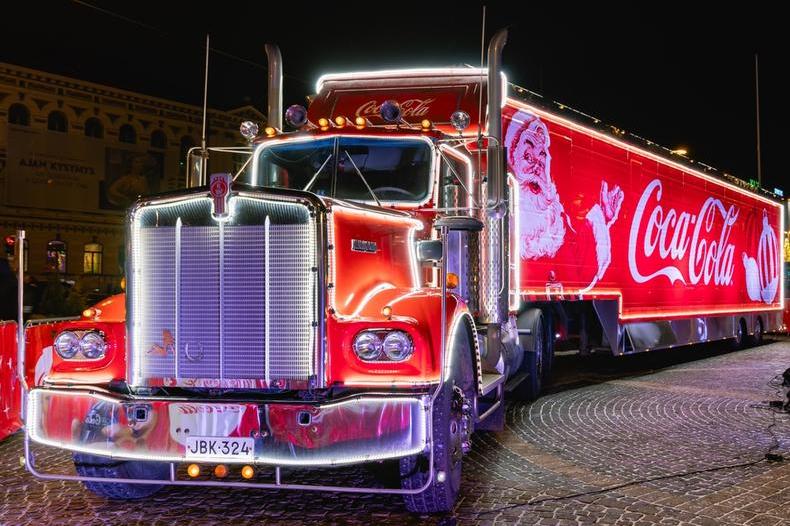
From Coca-Cola’s iconic Christmas trucks to Aldi’s Kevin the Carrot and Guinness Foot Pints, festive campaigns aren’t just innovative; they’re strategic assets. These are textbook examples of brand extensions done right, tapping into our festive spirit to create emotional bonds that last for generations.
- Coca-Cola didn’t invent Santa Claus, but starting in the 1920s, they popularised the image of a jolly elderly man with a white beard, rosy cheeks, and a bright red suit. This image not only boosted winter sales but cemented Santa’s modern look. For over a century, Cola-Cola has tied its brand to this cultural icon, demonstrating the power of consistent storytelling and visual identity.
- The star of Aldi’s Christmas adverts, Kevin the Carrot, first appeared in 2016, becoming a festive sensation. The humble root vegetable that usually sits quietly on our Christmas plates now stars in, among other things, a popular range of plush toys and tree decorations. His story has grown into a full family narrative, marrying Katie the Carrot and introducing a canine companion, Caulidog. A simple seasonal advert has transformed into a merchandising powerhouse.
- In 2023, Guinness Foot Pints offered a bold twist on brand identity. Instead of launching a limited-edition beer, they launched limited-edition snow boots with soles shaped like a pint glass, leaving pint-shaped footprints in the snow. The campaign quickly captured global attention, generating millions of impressions and sparking a surge of social media buzz.
Family-centric storytelling
On a more sobering note, the Spanish liquor brand Ruavieja took a powerfully unconventional approach to festive advertising with a bold social experiment. They launched an online calculator that estimated how much time people were likely to spend with their loved ones for the rest of their lives.
In a documentary-style film, friends and family who rarely saw each other were interviewed and shown their results. Many were shocked by the realisation that they might only share a few more days together in total. It demonstrates that festive marketing doesn’t always have to be cheerful - it can be provocative and thought-provoking, which makes it memorable.
It’s clear that Ruavieja didn’t want its festive campaign to be about taste, indulgence, or celebration. Ruavieja went deeper, tying its brand to time spent with loved ones, which feels authentic and emotionally powerful. This is why storytelling matters in festive campaigns:
- Emotions sell better than product features. People are buying the feeling, not just the flavour.
- Brand differentiation: While other alcoholic beverages compete on taste or price, Ruavieja competes on values and connection.
- Long-term loyalty: A campaign like this builds a deeper bond, making the brand memorable beyond Christmas.
Food and drink brands dominate festive marketing because they sit at the heart of holiday traditions. Christmas is about gathering around the table, sharing meals, and raising a glass. Whether it’s visiting the Coca-Cola Christmas truck on a cold winter’s night or Ruavieja reminding us to make time for loved ones, these stories resonate because they mirror the traditions that bring us together.
But behind these moments lies a strategic layer: protecting the creative assets that make them possible. Characters, packaging, campaign names, and merchandising rights aren’t just seasonal ideas, they’re valuable brand assets. Securing them ensures that the brand equity built through festive storytelling translates into lasting commercial value.
Lessons for food and drink brands: Protecting festive campaigns

Behind every successful festive campaign lies a robust IP strategy. Creative assets, whether it’s a character like Kevin the Carrot, a slogan, or a distinctive product design, need protection to prevent copycats and preserve brand value. Consider Guinness filing for snow boots or Aldi securing trade marks for Kevin the Carrot across retail services, toys, and Christmas decorations.
Here are the key takeaways:
- File for trade mark protection early - ideally at the same time you’re developing your campaign concept. This ensures you secure rights before launch and avoid costly conflicts. Always check for earlier rights to prevent accidental infringement. If your campaign has cross-border reach (e.g., social media or global distribution), consider filing in key overseas markets as well.
- Don’t jump straight to filing for just your core product class and overlook other opportunities. Think beyond your main category - festive campaigns may lead to merchandising opportunities such as t-shirts, books, clothing, plush toys, home decor, and seasonal items like ornaments or gift sets.
- Monitor and enforce during peak season. Festive periods often see a surge in infringement, from copycat packaging to unlicensed merchandise. Keep a close watch on new trade mark applications entering the register and be prepared to tackle major sellers of unlicensed goods. For brands with significant online exposure, secure relevant domain names and social media handles tied to your campaign name to prevent cybersquatting. Consider investing in an online enforcement solution to quickly identify and remove infringing products.
- Think beyond trade marks. If you have created a distinctive product design, such as M&S’s snow globe gin bottle, and would feel aggrieved if someone copied it, the best way to protect yourself may be with a registered design. Design rights safeguard the unique shape and aesthetic elements that make your product stand out.
- An often-overlooked area of regulatory compliance is misleading advertising. For example, if you say ‘most popular’ or ‘award-winning’ in advertising copy, ensure you have evidence to back it up. Avoid anything that could be seen as applying pressure to buy or encouraging excessive spending. For alcohol brands, don’t go overboard when tempting consumers with a festive tipple. Ads promoting cheaper foods should ensure that any price comparison is fair and backed by accurate evidence.
Wrapping it up
Festive campaigns are more than creative storytelling - they’re strategic investments that can define a brand for years to come. For food and drink brands, the emotional connection built during the festive period is powerful, but it only delivers long-term value if the underlying assets are protected.
From trade marks and design rights to advertising compliance and online enforcement, IP strategy should sit at the heart of campaign planning. Safeguarding these assets ensures that the festive cheer translates into lasting brand equity, so customers continue enjoying the products with their loved ones for years to come.