

Celebrating 150 years of UK trade marks
This year marks 150 years since the establishment of the UK’s Trade Mark Registry and the first grant of a registered trade mark.
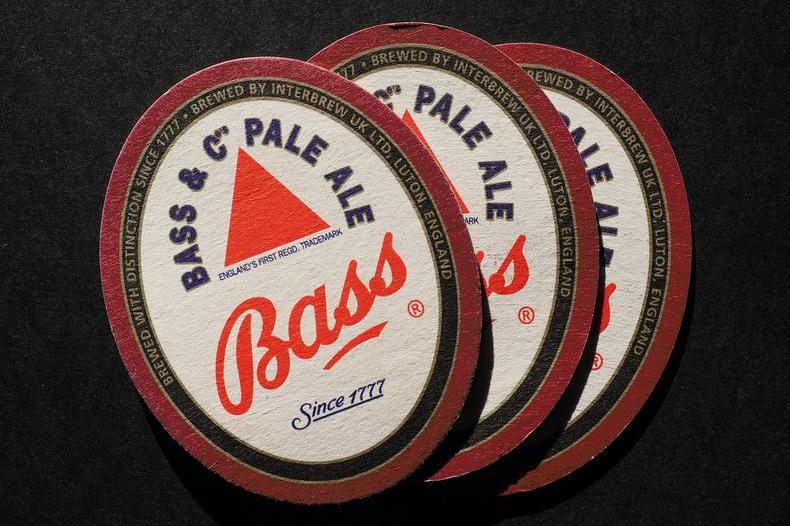
The first trade mark was secured by Bass Brewery on 1st January 1876 for its original red triangle beer label. The story goes that an employee spent New Year’s Eve night outside the Registration Office, so that he could be first in line when the doors opened.
If true, it was time well spent as the mark remains in force to this day, although is now owned by AB InBev UK Limited, who bought Bass.
The UK Intellectual Property Office is celebrating the landmark anniversary by asking the public to vote on the UK’s most iconic trade mark. Whether your pick is Cadbury, Marks & Spencer, the London Underground or another registered brand, with over 2.5 million trade marks protected in the UK, there are plenty to choose from.
The importance of trade mark protection

Trade marks remain one of the most enduring and valuable business assets. A registered trade mark provides its owner with a monopoly on use of the mark in relation to the goods and services it is registered for. They serve as a deterrent to imitators and provide exclusive rights to enforce against infringement.
Often underappreciated, trade marks also play a crucial role in business acquisitions and valuations in corporate deals.
What the future might hold
So, what might the next 150 years bring? With the metaverse catapulted to the front of the tech industry’s thinking in the past few years by the cryptocurrency and NFT boom, trade mark offices saw a surge in trade mark applications covering virtual classes of goods and services.
Many predicted that the metaverse would be bigger than the internet is today and it gained further widespread attention following Facebook’s rebrand to Meta. However, it failed to achieve mass adoption with low user engagement, resulting in billions in losses for Mark Zuckerberg and other key players.
Instead, AI, and chiefly Generative AI, is set to fundamentally change the field of trade marks. Generative AI generates text, images, videos, audio and other forms of data in response to a user’s prompt and works by identifying patterns in huge amounts of existing data, to generate new content.
This data often includes trade mark protected material, and the risk of trade mark infringement is a significant and growing concern. Ensuring that your key brands are registered as trade marks is vital to facilitate enforcement.
Monitoring those registered marks will become increasingly important for safeguarding your rights and avoiding your brand becoming tarnished. Equally, for businesses using AI-generated brand names, conducting clearance searches prior to adoption is essential.
Seeking expert advice
Whatever the future holds, the digital world in which we live, with the global reach of social media and online platforms, makes it imperative for businesses to have a robust trade mark protection strategy in place.
Trade mark applications can be a nuanced process, so seeking expert advice is recommended. Considerations will include whether your mark is distinctive, whether to apply for a word or logo, whether your mark might conflict with an existing registration and what classification of goods and services is most suitable for your market.
If you’re looking for specialist IP advice, use our Find a Chartered Trade Mark Attorney tool.
Author
-

Chloë Fernandez
Boyes Turner