

The World Cup, Wimbledon and your business: playing by the rules this summer
As big sporting events dominate our summers, Associate Director, Leanne Gulliver unpacks a timely question: can I mention the World Cup in my marketing?
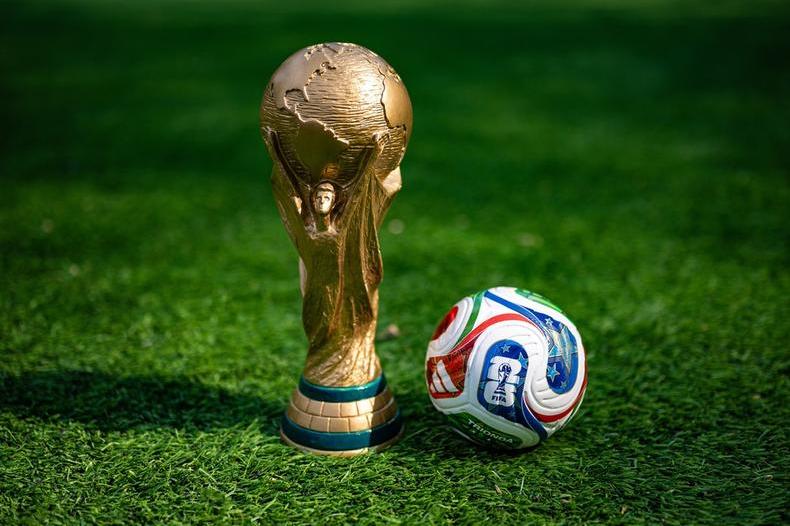
It is one of those questions that lands on trade mark lawyers' desks every summer: "Can I put 'Wimbledon' in my social media post?", "Can I call my pub promotion a Grand Slam deal?"
The short answer: it depends – and getting it wrong can be more costly than most business owners expect. With a summer of sport upon us, it is worth understanding why these events guard their branding so fiercely.
Why do sporting events take trade marks so seriously?
Principally, revenue and reputation.
Major sporting events license sponsors, broadcasters and partners to associate commercially with their tournaments. Those entities pay for exclusivity. If anyone could freely use the World Cup name or trade on the Wimbledon brand, sponsors would refuse to pay. Consequently, the organisations behind these events could not fund or stage them.

Trade mark protection is not a legal formality; it is the financial engine that makes these events possible. For events like the World Cup and Wimbledon, official merchandise licensing is a major revenue stream, but its value depends entirely on the trade marks being properly protected and actively enforced.
Counterfeit and unauthorised merchandise siphons revenue from official licensing programmes and degrades the brand by flooding the market with products the organiser cannot quality-control. Trade mark enforcement is therefore as much about reputation as it is about revenue.
Game, set, match: Trade marks you need to watch
FIFA has reportedly filed in excess of 70 trade marks in the US alone in connection with the 2026 World Cup, covering terms including "WORLD CUP 2026", "UNITED 2026", "MUNDIAL 2026", images of the tournament mascots Maple the Moose, Zayu the Jaguar, and Clutch the Bald Eagle, and host cities "WE ARE BOSTON" and "WE ARE DALLAS".
FIFA's own published IP Guidelines set out what businesses can and cannot do when marketing during the World Cup, and specifically address the use of trade marked hashtags. Using any hashtag that incorporates a protected FIFA term commercially, such as #WorldCup or #FIFAWorldCup2026, without authorisation puts businesses at risk of trade mark infringement action.
Wimbledon's trade mark history is equally fascinating. The All England Lawn Tennis Club's first UK trade marks for "THE CHAMPIONSHIP" and "THE WIMBLEDON" were registered in 1884 and are still in force today. The Club has used its iconic dark green and purple colourway since 1909, yet only succeeded in registering those colours as trade marks in 2016 (see UK00003095405 and UK00003097108), after submitting extensive evidence that consumers had come to associate those specific shades with the tournament.
Offside tactics

FIFA's "clean stadium" policy requires all venues hosting tournament matches to remove or cover branding from non-sponsor companies. Levi's Stadium in Santa Clara became "San Francisco Bay Area Stadium", and its giant red batwing logo was hidden beneath a white tarpaulin. The intention was simple: hide the brand. The result was the opposite – the batwing's distinctive shape remained recognisable. Levi's leaned into the moment, posting on Instagram: "Welcoming the world to the beautiful [redacted] stadium!" When a mark is strong enough, even a tarpaulin or a temporary name change cannot hide it.
Brands can and have tried to strike back with so-called ambush marketing stunts. For example, at the 2010 World Cup, 36 women attended the Holland v Denmark match wearing orange dresses supplied by Dutch brewer Bavaria - a non-sponsor - in one of the most brazen ambush marketing stunts in sporting history. Bavaria's response to FIFA's complaint was equally unruffled: "FIFA doesn't have a monopoly on the colour orange."
So, can you mention the World Cup or Wimbledon?
Probably not commercially, at least not without permission. FIFA's brand guidelines prohibit using the term "World Cup" in advertisements or social media posts for commercial benefit without authorisation, and using "Wimbledon" in a way that implies official sponsorship or affiliation is likely to infringe the All England Lawn Tennis Club's registered trade marks.
Brands should avoid words such as "sponsor", "partner" or "supporter" unless officially authorised, and generic references to football, tennis or the summer season are generally safer alternatives. Fans, however, can freely repost official content or use FIFA hashtags, provided there is no commercial benefit attached.
The final score: what are the key takeaways?
For sporting brands and event organisers, the key takeaways are:
- Protect broadly: names, logos, mascots, colours and slogans can all be protected. Brand strategies should be joined-up and appropriately wide-reaching.
- Register early: the All England Lawn Tennis Club relied on passing off for over a century before registering its colourway. Do not wait that long. For marks that can be more difficult to register, such as colour marks, collate evidence of distinctiveness as early as possible.
- Control your licensing: official merchandise revenue depends entirely on registered rights. If your brand has licensing potential, protect it accordingly.
And for businesses looking to capitalise on the summer's sporting events: know where someone else's rights begin before your campaign goes live. Event organisers enforce actively so make sure you are not caught offside.