

UK IPO launches new guidance to help consumers spot fakes
The UK Intellectual Property Office (UK IPO) has launched new guidance to help consumers identify counterfeit goods when shopping for second-hand fashion online.
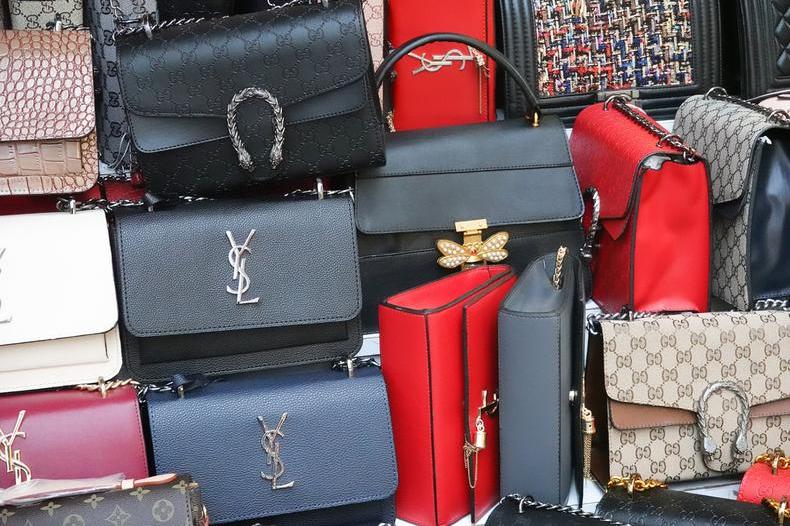
Developed with support from online marketplace Vinted, the guidance forms part of the UK IPO's new 'Second-hand, not second best' awareness campaign, which seeks to promote safe and confident shopping in the UK's rapidly growing pre-loved market.
The guidance comes amid increasing concern around the presence of counterfeit goods on resale platforms. New UK IPO research found that 1 in 4 people who purchased second-hand clothing online in the past year unknowingly bought a counterfeit item, with almost 60% reporting negative experiences including poor quality, rapid deterioration, or refund disputes with the seller.
While the majority of respondents (63%) felt confident they could spot a fake, 1 in 3 admitted they do not check authenticity before making a purchase.
Growing challenge in a growing market
The UK's second-hand fashion sector continues to expand, driven by consumer demand for more affordable and sustainable shopping options. However, the growth of the market has also created new opportunities for organised counterfeiters.
Younger consumers appear particularly vulnerable. The UK IPO's research found that 45% of 18–24-year-olds had encountered counterfeit designer goods while shopping on resale platforms, compared with 23% of those aged 55–64.
According to the UK IPO, most consumers only realised they had purchased counterfeit products once the items arrived, with poor stitching, cheap materials and inconsistent labelling often revealing the deception.
With many impacted financially, 14% of respondents said the experience had discouraged them from shopping second-hand altogether.
Practical advice for shoppers
The new guidance suggests simple steps to verify authenticity before making a purchase. These include checking seller profiles and feedback, carefully reviewing photos and product descriptions to ensure consistency, comparing labels and branding with genuine products, and using platform verification and buyer protection tools where available.
Common warning signs of counterfeit goods include spelling mistakes on labels, cheap or lightweight materials, uneven stitching, and poorly reproduced logos.
If in doubt, the UK IPO also suggests asking the seller for additional photos or documentation before purchasing.
Enforcement activity continues
The guidance has been published alongside ongoing enforcement efforts targeting organised counterfeit operations across the UK.
In March, Trading Standards seized more than £3 million worth of fake luxury goods from storage facilities in Bury. There was a total of 5,459 counterfeit items, including footwear, clothing and bags. Meanwhile in April, a major operation led by the Police Intellectual Property Crime Unit saw more than £1.1 million worth of goods seized in Rotherham. The operation targeted TikTok shop accounts using influencers to push counterfeit goods to thousands of viewers.
Helen Barnham, Head of Enforcement Campaigns and Stakeholder Engagement at the UK IPO, said: “The pre-loved market is a brilliant option for anyone who wants to dress well without breaking the bank. As the market grows, maintaining trust and confidence online becomes even more important. Second-hand isn't second best – but a counterfeit always is.
“As organised criminals seek to infiltrate online markets with counterfeits too many shoppers are being misled by the false promise of a bargain. Our new guidance gives people the knowledge to shop confidently and make sure second-hand really does mean second to none.”
Kanishka Narayan MP, Minister for Online Safety and Intellectual Property, said: “The UK's pre-loved fashion trade is a booming market that's good for bargain hunters and for the environment.
“That's why we're acting to help shoppers browse with confidence, and spot counterfeits before it's too late. No one should have to gamble that a good deal might be a fake deal. I’m proud that we’re working with partners right across this thriving market to help protect consumers.”
Shoppers who believe they have purchased a counterfeit item should raise a dispute through the platform's buyer protection and dispute process in the first instance.
Complaints can also be made to Trading Standards via the Citizens Advice consumer helpline, or reported to the police via Report Fraud, the UK's national fraud reporting centre.