

What makes a trade mark iconic?
Reflecting on a recent poll from the UK Intellectual Property Office (UK IPO), Chartered Trade Mark Attorney, Mark Caddle explores what makes an iconic trade mark.
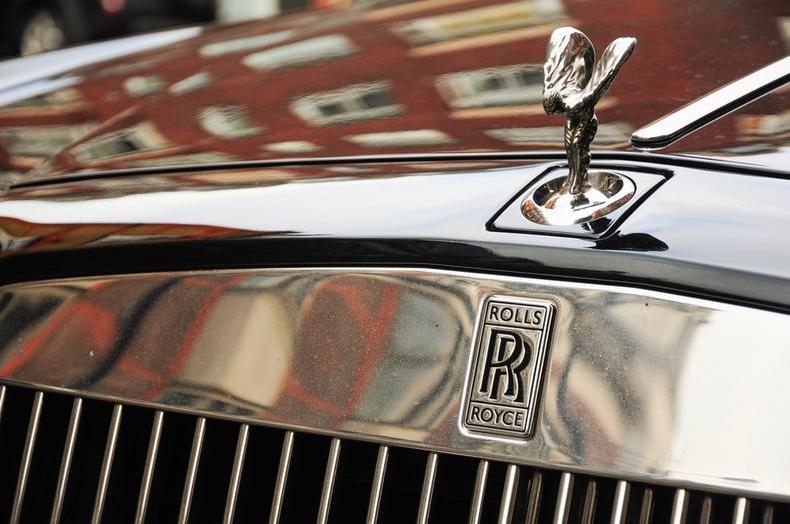
In April 2026, the UK IPO published the results of a nationwide poll to mark 150 years of the UK trade mark register. It asked the public a simple question: which trade marks are truly iconic?
The answers ranged from luxury brands to everyday comforts, with Rolls-Royce taking the top spot, followed by names such as Twinings and Cadbury.
These results prompt an important question for businesses and brand owners alike: what elevates a trade mark from merely distinctive to genuinely iconic?
In a crowded marketplace, only a select few trade marks achieve this status. Brands like Rolls-Royce, Cadbury and Twinings are instantly recognisable, evoking not only the products themselves but also a set of expectations: quality, heritage and reliability. These are brands woven into British life.
One defining feature of iconic trade marks is longevity. Brands such as Twinings, which has used its logo continuously since the 18th century, and Cadbury, with its famous purple branding, have benefitted from decades, if not centuries, of consistent use. This commitment builds familiarity, and familiarity in turn builds trust.
Rolls-Royce, for example, has carefully maintained its reputation for engineering excellence and luxury. The strength of its trade mark lies not just in its name or logo, but in the consistent delivery of a premium experience. Over time, the mark becomes shorthand for a set of expectations, deeply embedded in consumer perception.
Importantly, these brands have evolved where necessary, but without losing their core identity.
The role of trade mark protection

Behind every iconic brand is a robust strategy for protecting its intellectual property. Trade mark registration provides the legal foundation that allows businesses to build and enforce their brand identity over time. Without protection, even the most distinctive mark risks dilution or imitation.
For companies like Cadbury, trade mark protection has been central to maintaining exclusivity, particularly in high-profile disputes over its signature colour and branding. Similarly, the Rolls-Royce brand is carefully controlled to ensure it remains synonymous with quality and prestige.
Trade mark protection does more than prevent copying; it enables investment. When a business knows its brand is secure, it can confidently invest in marketing, innovation and expansion, all of which contribute to long-term recognition and value.
Creating a memorable and protectable brand
While not every business can achieve century-spanning heritage, there are clear steps that can increase the likelihood of building an iconic trade mark:
- Distinctiveness from the outset: invented or unusual words (rather than descriptive terms) are easier to register and more likely to stand out.
- Invest in consistent branding: repetition and consistency across products, advertising and packaging reinforce recognition.
- Align the brand with values: iconic marks are rarely just names – they represent a promise. Ensuring that customer experience aligns with brand messaging is key.
- Protect early and broadly: securing trade mark rights in key markets and classes (categories that group together different types of products and services) helps prevent issues as the brand grows.
- Monitor and enforce: vigilance is essential. Allowing third-party use to go unchecked can erode distinctiveness over time and could lead to genericide.
Lessons from enduring brands

Ultimately, iconic marks are not created overnight. They are the result of sustained effort, commitment, investment, strategic protection and a clear understanding of what the brand stands for. Rolls-Royce, Cadbury and Twinings demonstrate that success lies in combining strong legal foundations with consistent, high-quality brand delivery.
For businesses, the message is clear: a strong trade mark is not just a label – it can be an asset. Nurtured properly, it can become one of the most valuable and enduring elements of a company’s identity.
Author
-

Mark Caddle
Withers & Rogers LLP